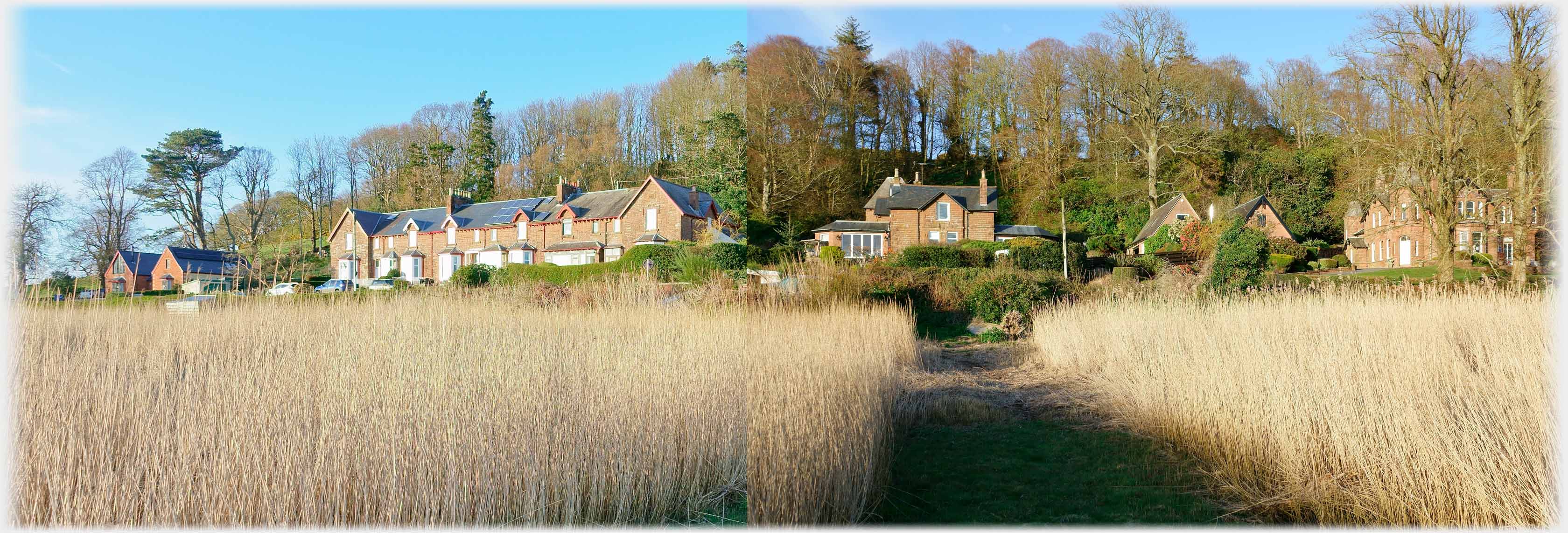
 The hamlet of Kenneth Bank is shown above, it lies some 6 miles south of Dumfries. These two (partially merged) photos were taken from the edge of the estuary, looking over the reed beds that separate the public road from the water
Kenneth Bank lies just over a mile south of the village of Glencaple, on the road from Dumfries to Caerlaverock castle. The large house, Kirkconnell Lea, was built in 1872 for Sir James Anderson, a Dumfries man who had made his money from the new fangled telegraph communication systems that were girding the world at the time. Living in London he naturally wanted a country cottage and so built the mansion house, coach houses, and then the terrace of six houses where I live. The spot he chose for the main house commands the best view from anywhere along this coast: wide water looking onto the local hill,
Criffel.
Below the photographs are taken from the terrace showing the view across the water; in addition there are some of the birds (plus a hare and a deer) that inhabit the area.
The hamlet of Kenneth Bank is shown above, it lies some 6 miles south of Dumfries. These two (partially merged) photos were taken from the edge of the estuary, looking over the reed beds that separate the public road from the water
Kenneth Bank lies just over a mile south of the village of Glencaple, on the road from Dumfries to Caerlaverock castle. The large house, Kirkconnell Lea, was built in 1872 for Sir James Anderson, a Dumfries man who had made his money from the new fangled telegraph communication systems that were girding the world at the time. Living in London he naturally wanted a country cottage and so built the mansion house, coach houses, and then the terrace of six houses where I live. The spot he chose for the main house commands the best view from anywhere along this coast: wide water looking onto the local hill,
Criffel.
Below the photographs are taken from the terrace showing the view across the water; in addition there are some of the birds (plus a hare and a deer) that inhabit the area.
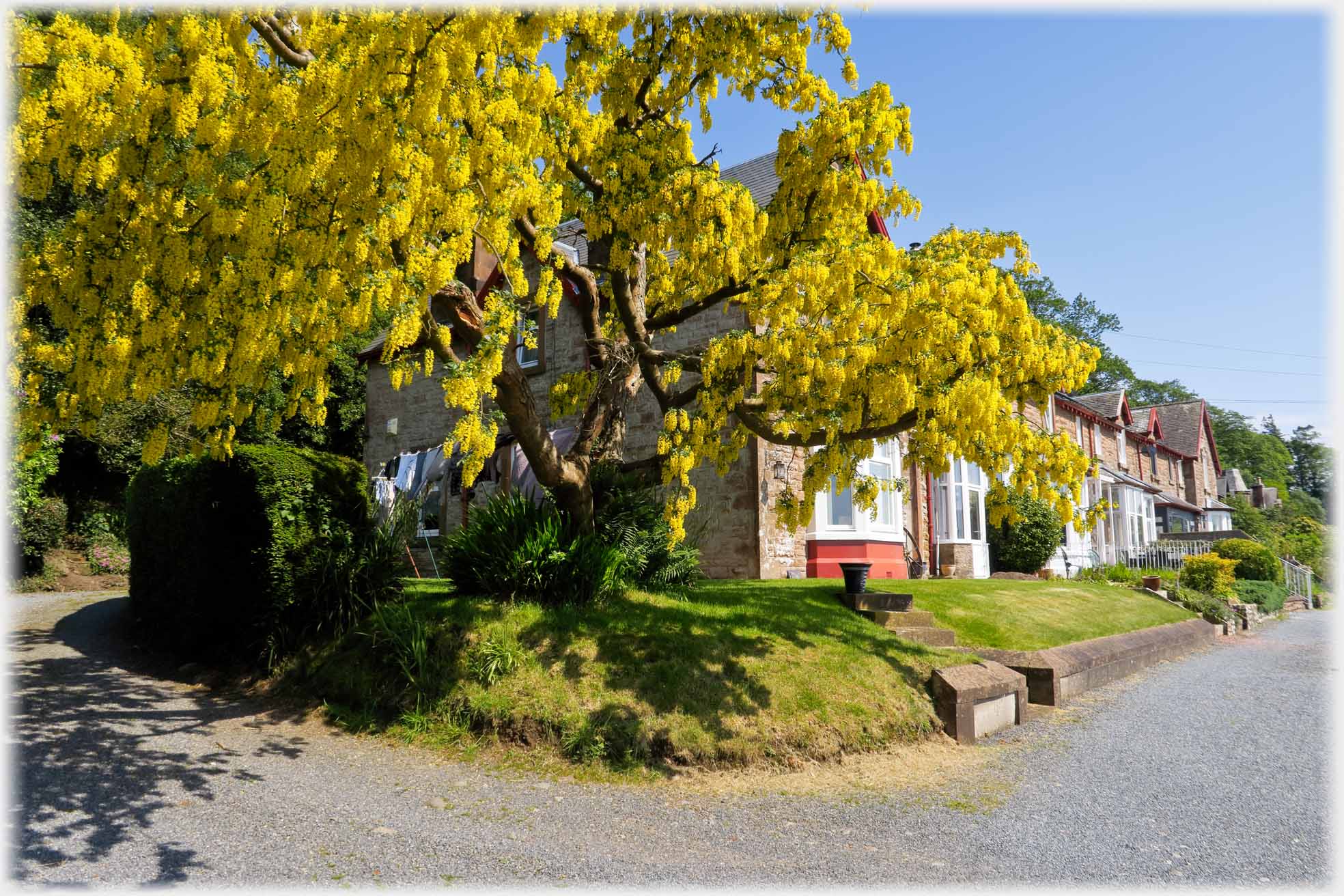 The terrace greets those arriving with this magnificent laburnum, which follows the species habit of being splendid alternate years
 The occupants of Kenneth Bank spend considerable time watching the ever changing show that is put on for them by the tides, winds, clouds and wild life, to the front of the houses
An anticlockwise sweep, from the houses round the estuary
The occupants of Kenneth Bank spend considerable time watching the ever changing show that is put on for them by the tides, winds, clouds and wild life, to the front of the houses
An anticlockwise sweep, from the houses round the estuary
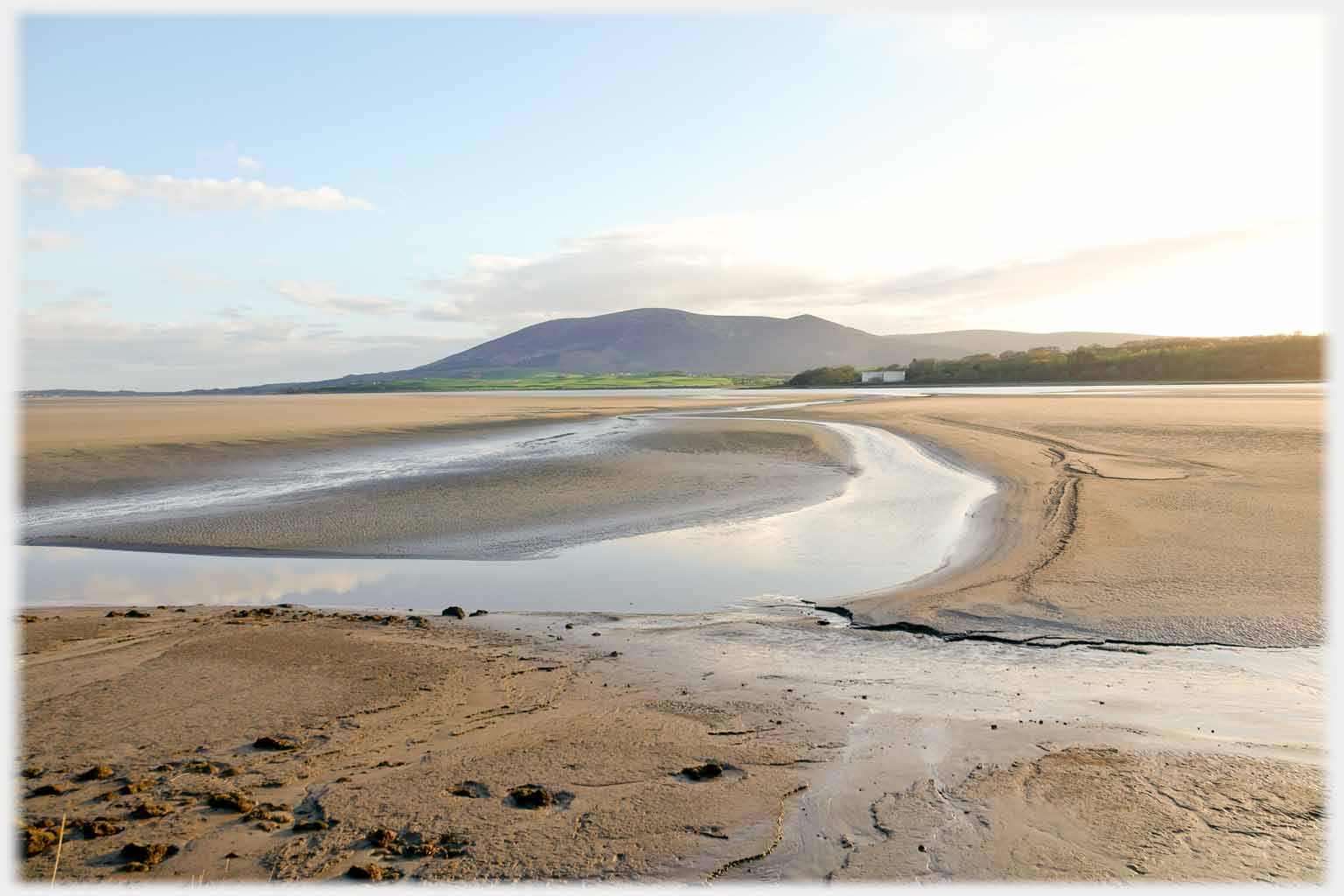 The view across the mud flats at low tide, Criffel made small by a wide lens
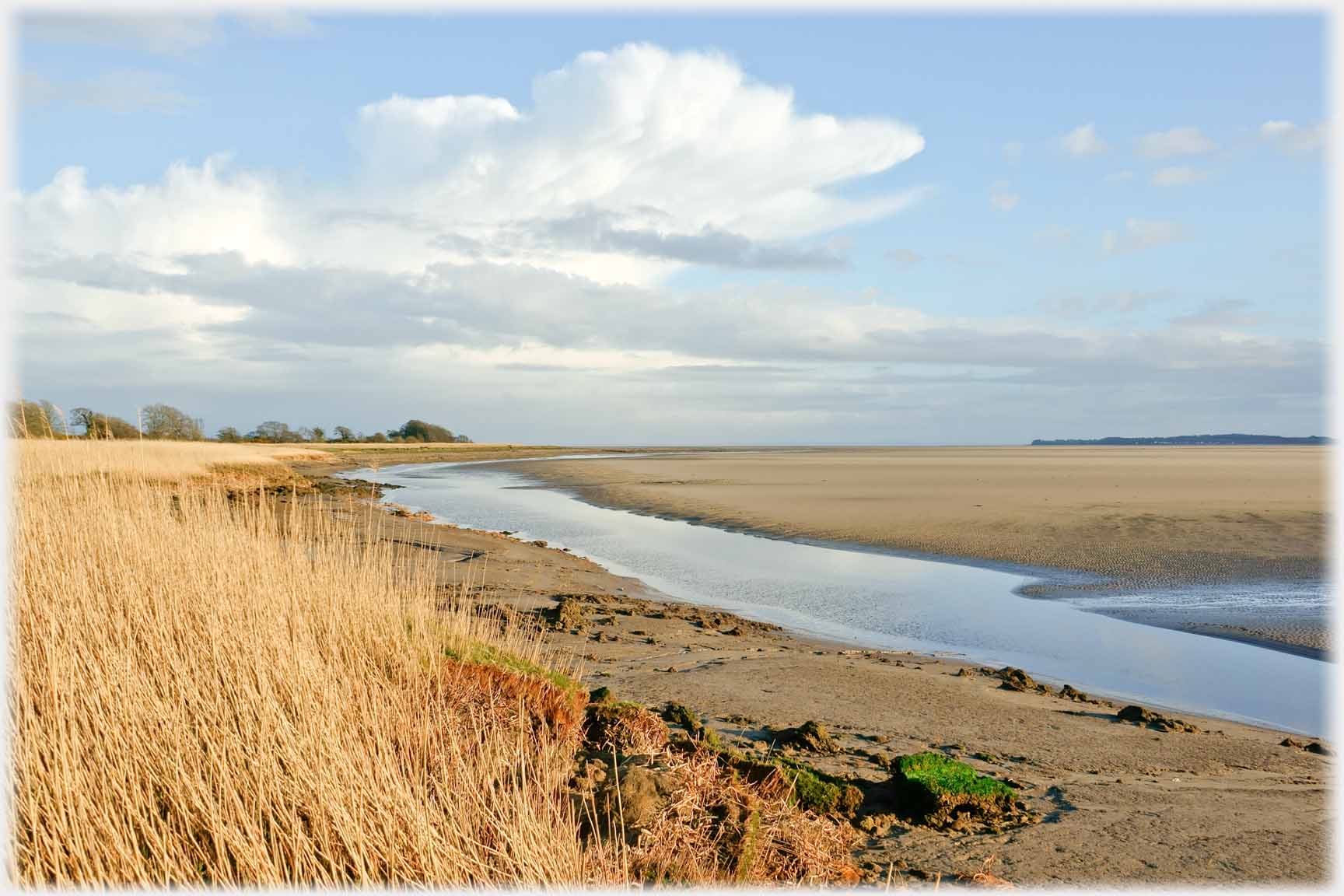 Looking left (south) at the shore line...
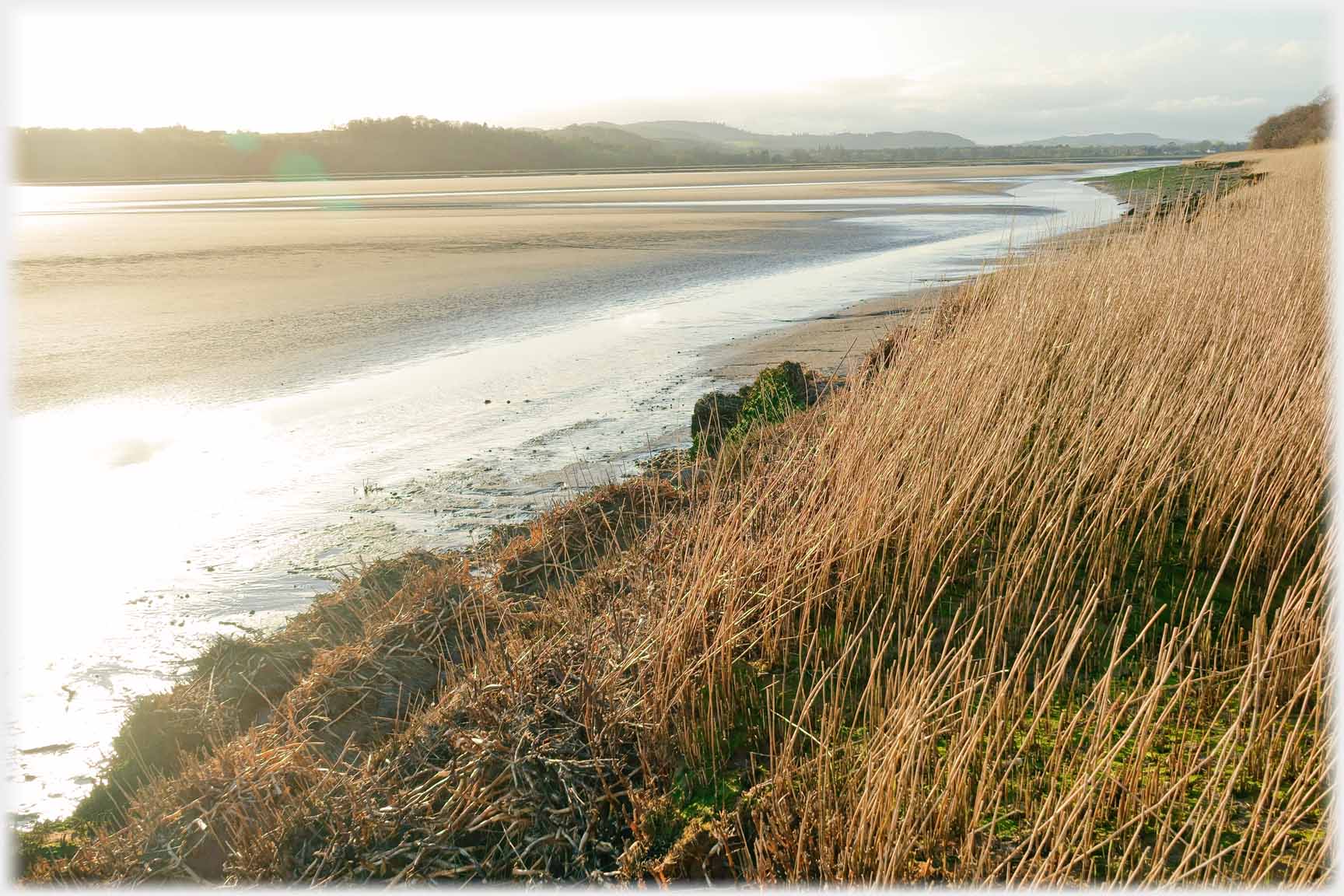 ...and to the right (north)
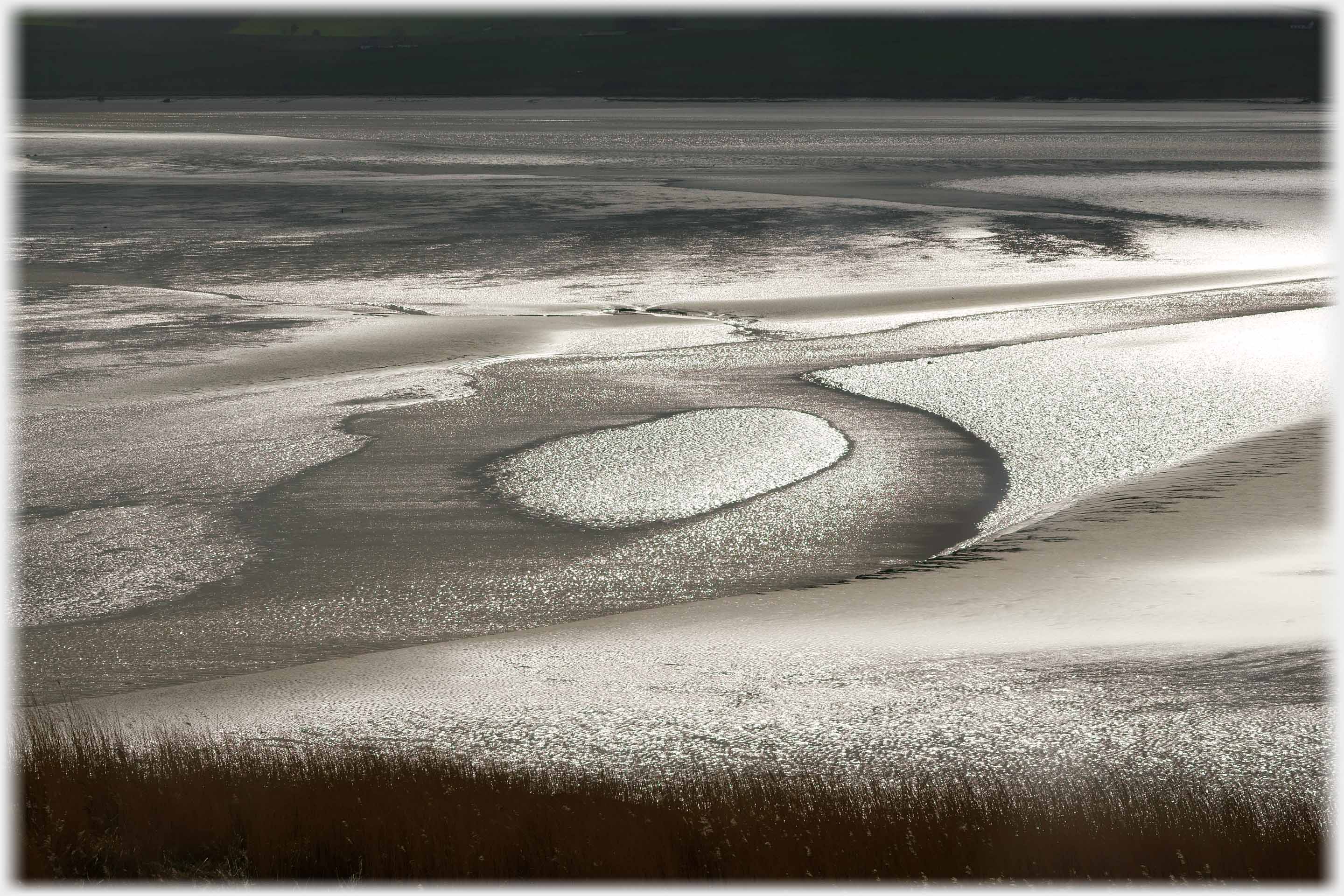
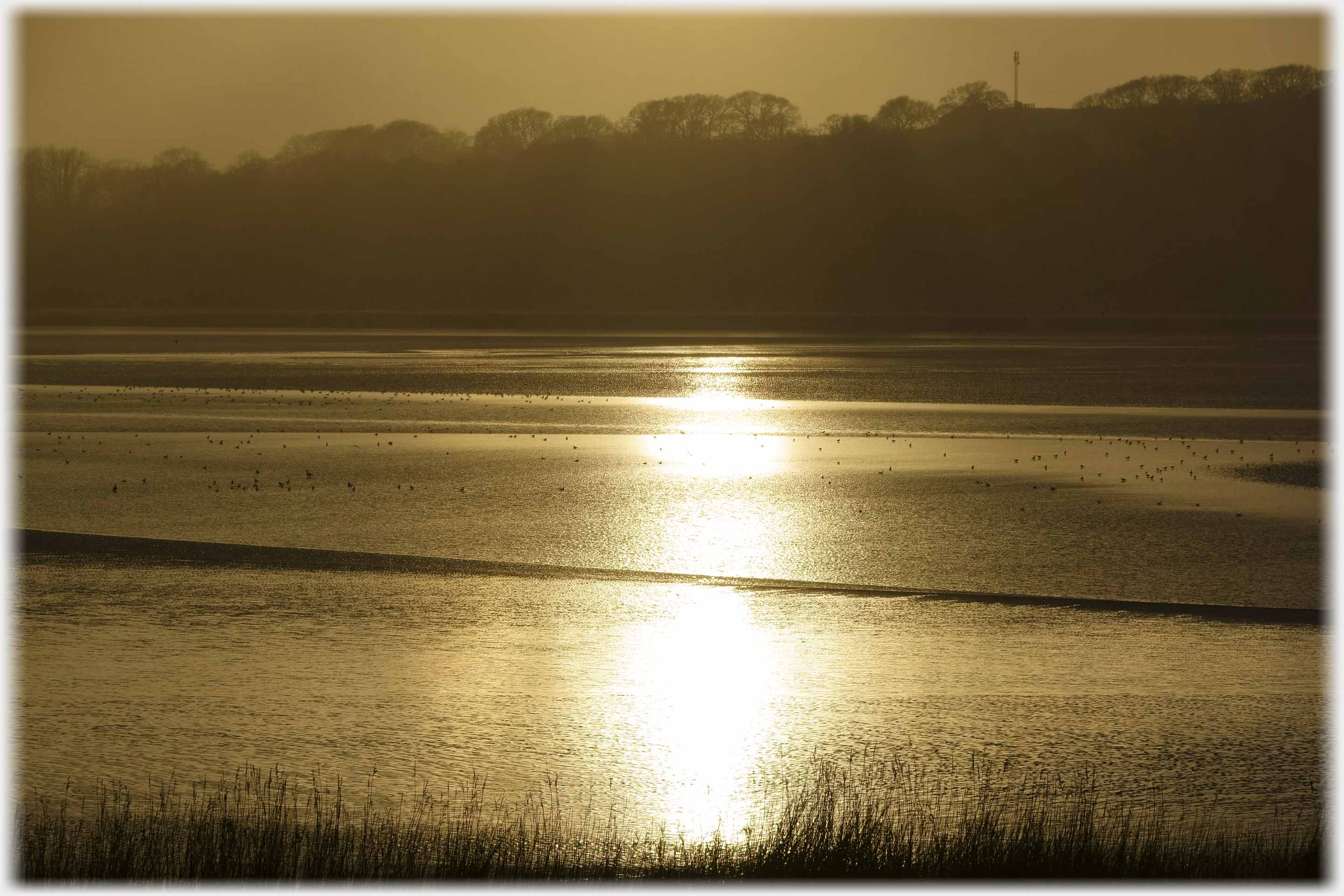 A longer lens, looking directly into the sun across the estuary
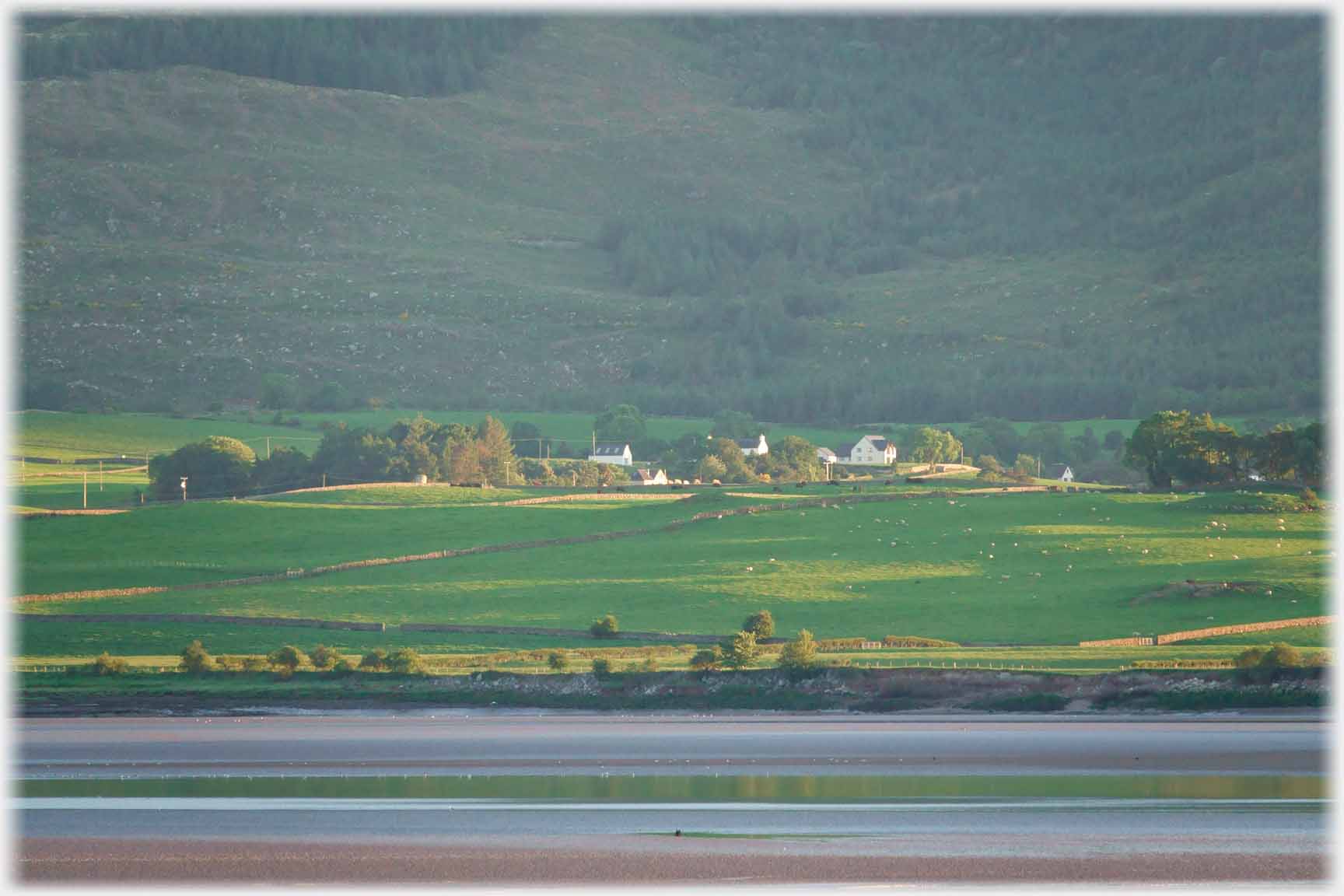 Evening light on Overton Farm, just south of New Abbey
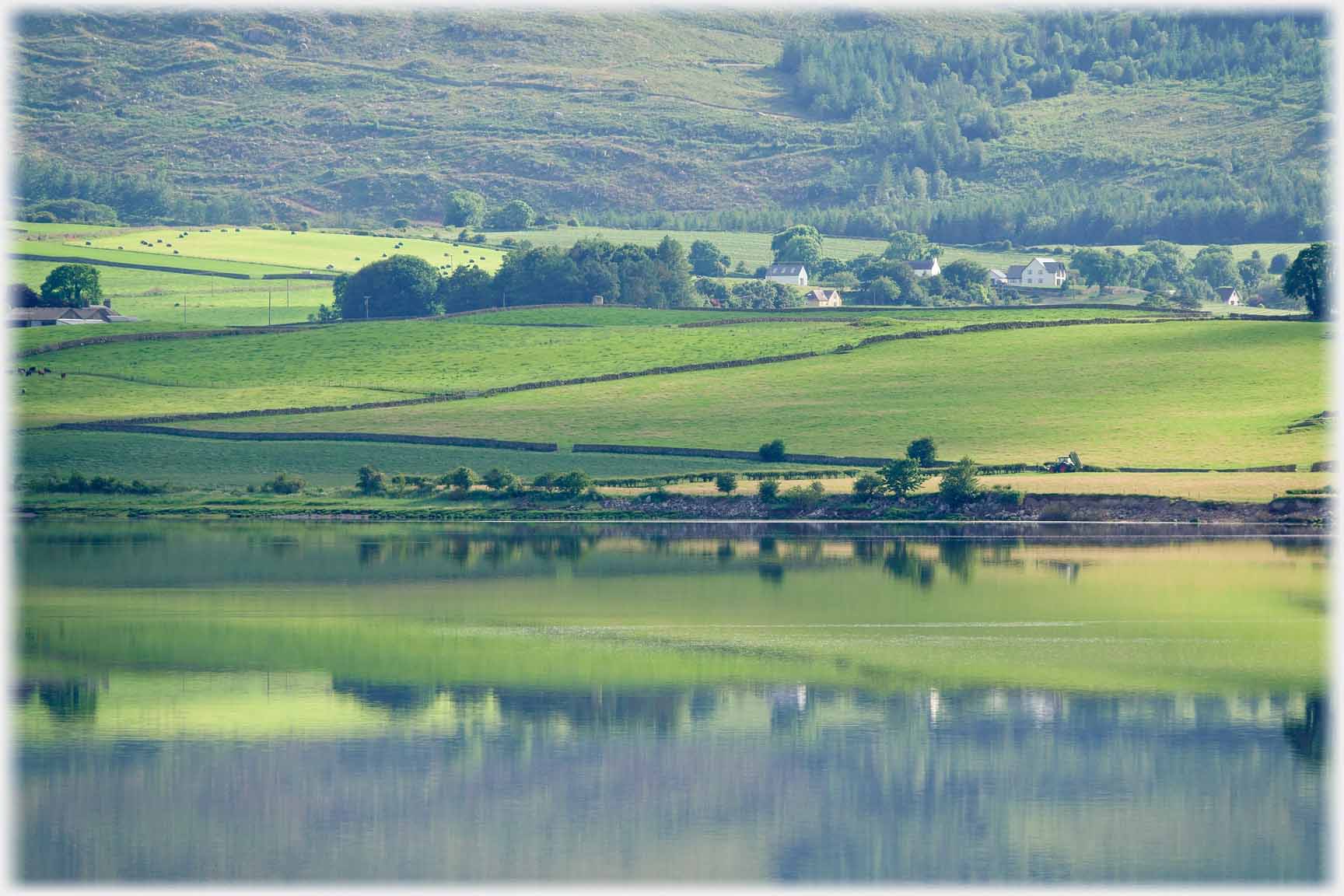 And the same houses reflected at a (windless) high tide
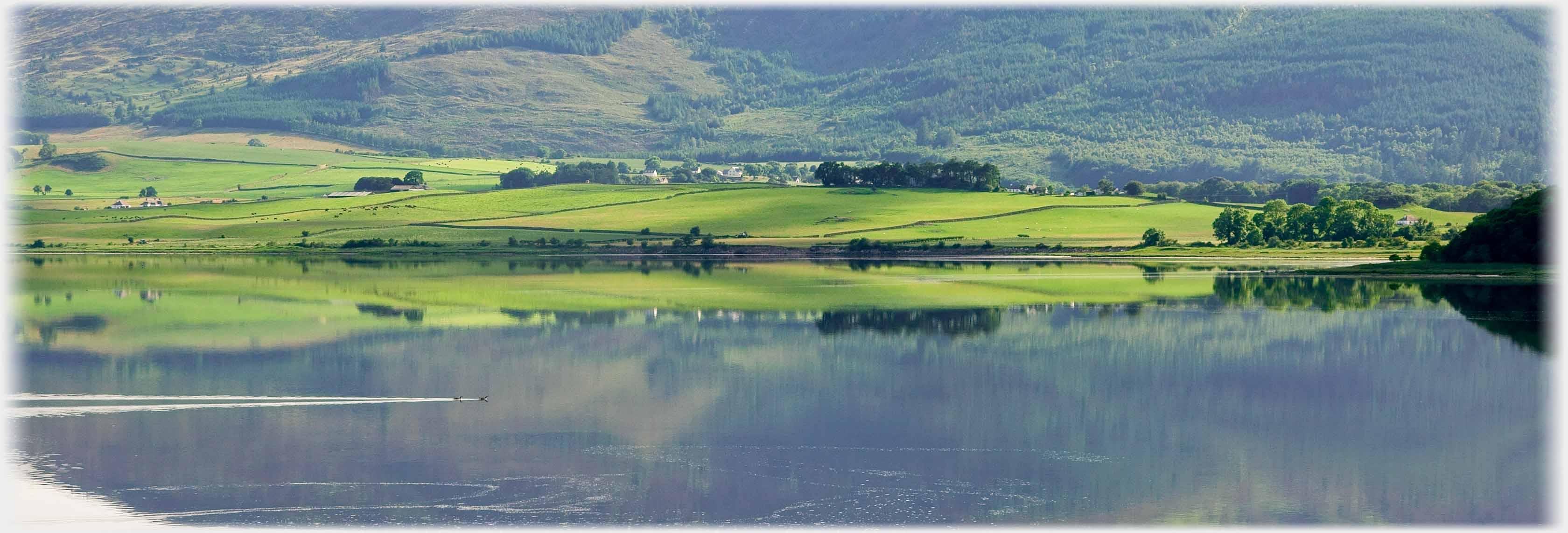 A longer section of the far shore. Days of reflections like this are few, if the day is windless the water is normally disturbed by the churning of the warmer air on its surface
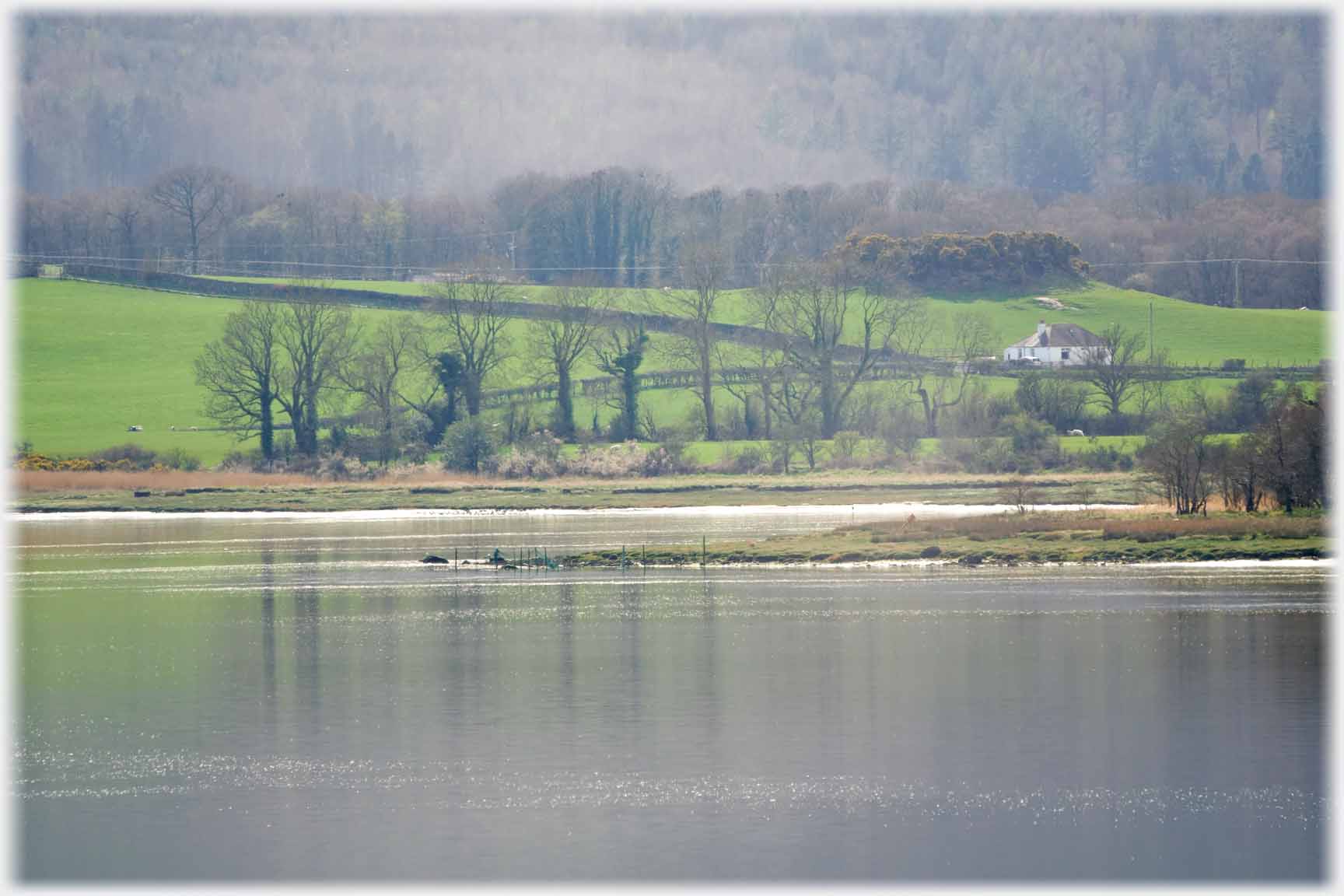 And the same section of coast but, above, in winter...
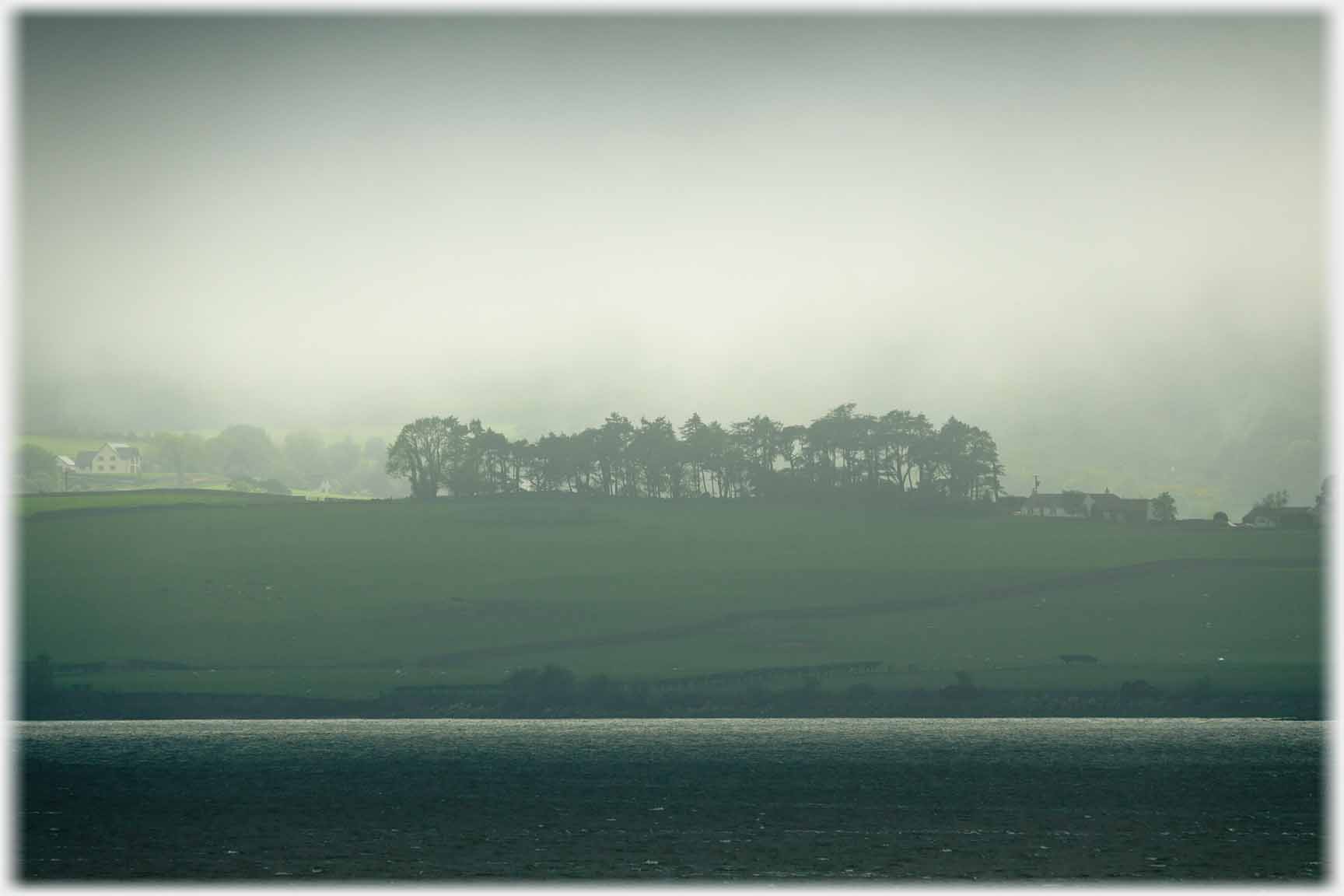 ...and here emerging from an autumn mist
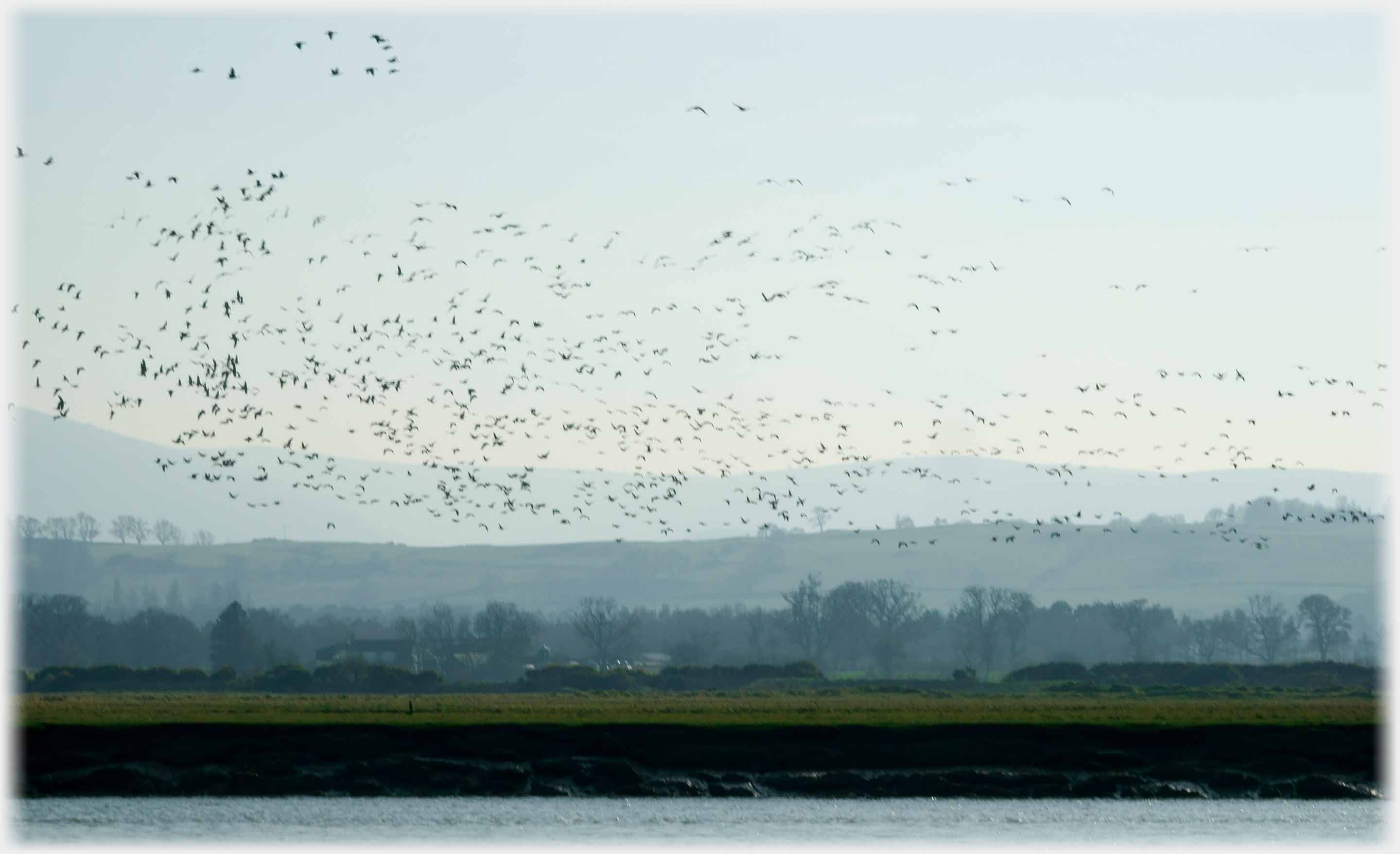 The clouds and reflections offer endless variety, and this is adorned by the birds which, particularly in the winter, can offer magnificent spectacles with their daily movements from the sea waters to the fields up river. The numbers involved are often in the thousands
Sometimes there is a general upheaval when the geese rise from th sands and circle; at other times...
... all 2,000 seem intent on, and know, their destination [The sound is very low in this shaky clip]
The clouds and reflections offer endless variety, and this is adorned by the birds which, particularly in the winter, can offer magnificent spectacles with their daily movements from the sea waters to the fields up river. The numbers involved are often in the thousands
Sometimes there is a general upheaval when the geese rise from th sands and circle; at other times...
... all 2,000 seem intent on, and know, their destination [The sound is very low in this shaky clip]
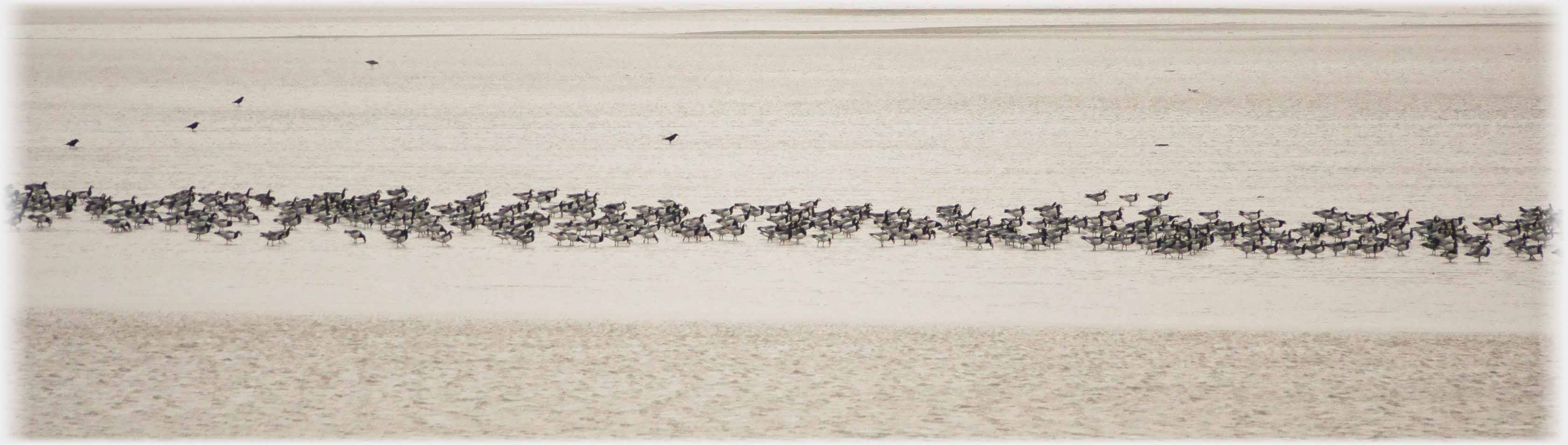 During the winter the barnacle geese mass on the sands
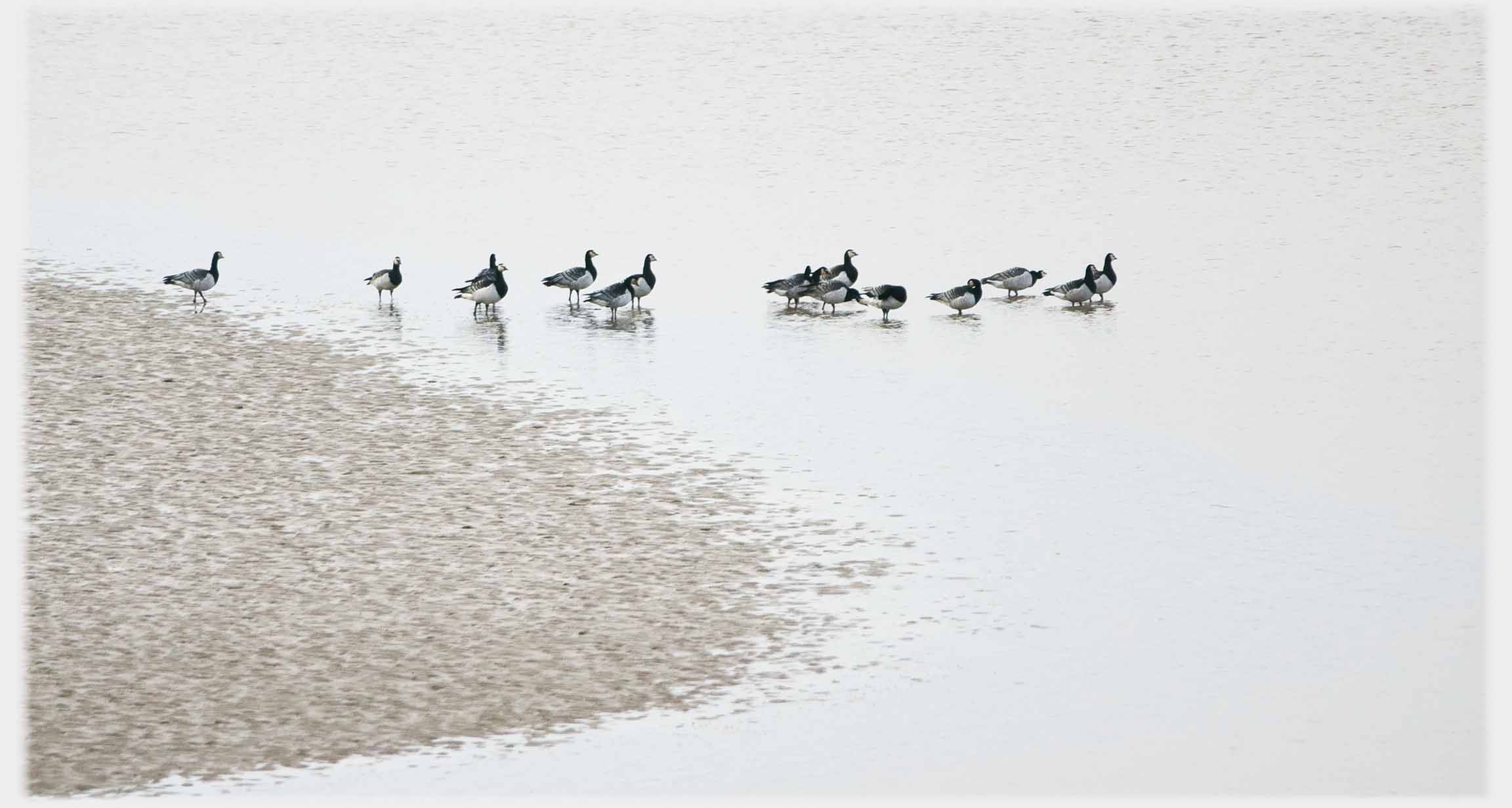 A party of barnacles venture into the water
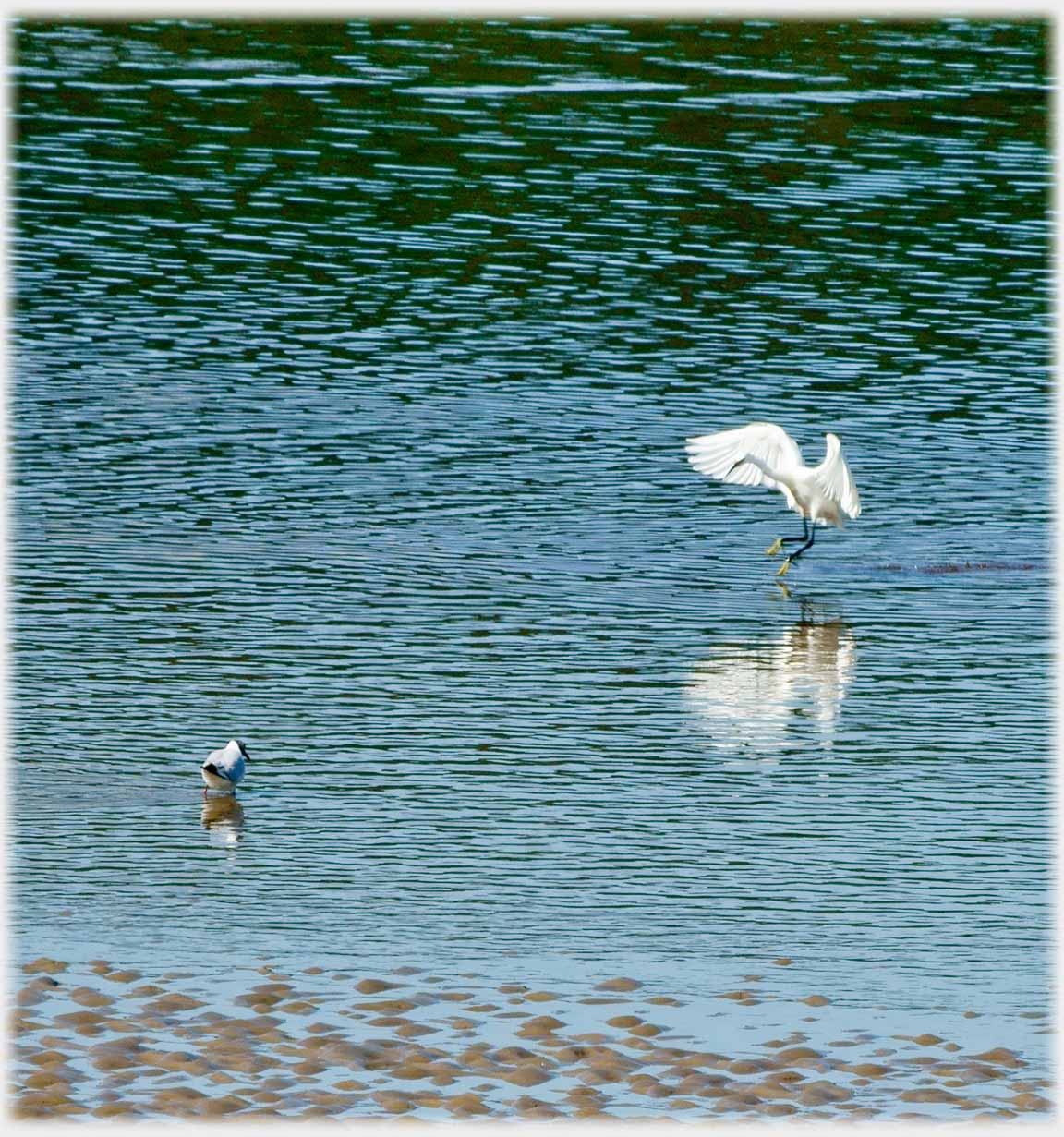 An egret lands
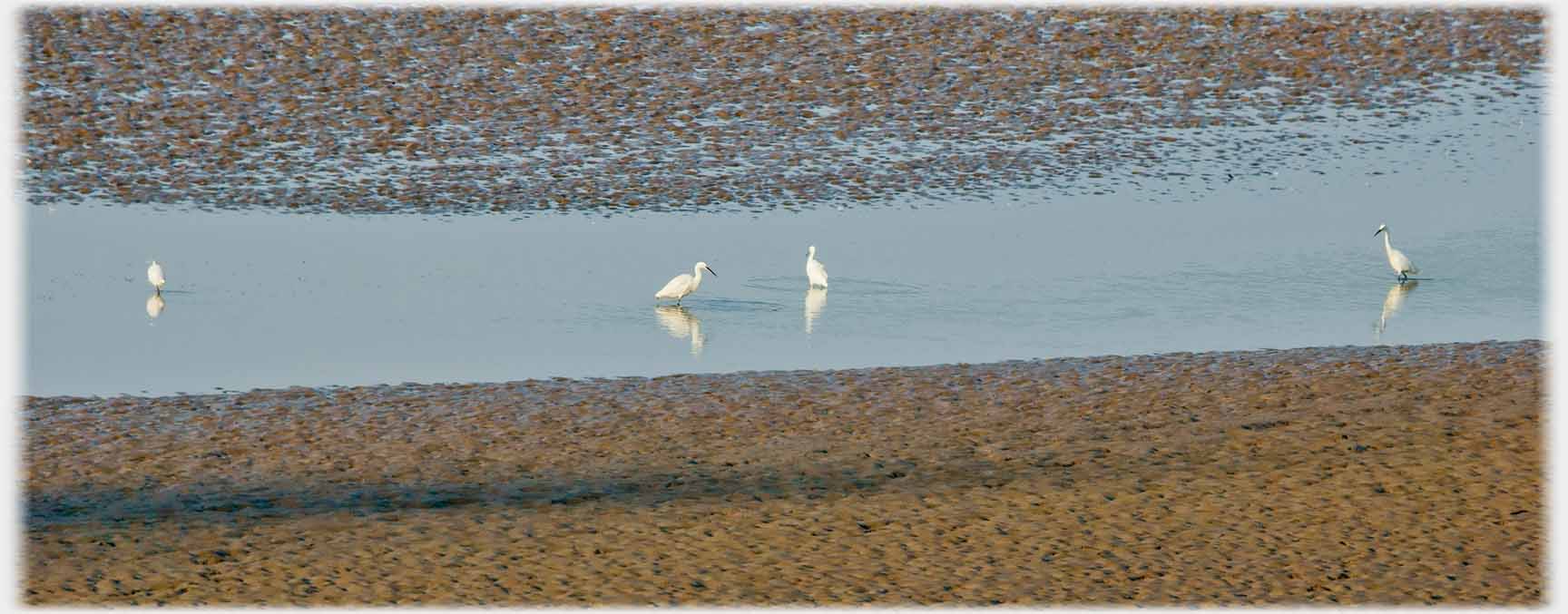 Two egrets eye one another
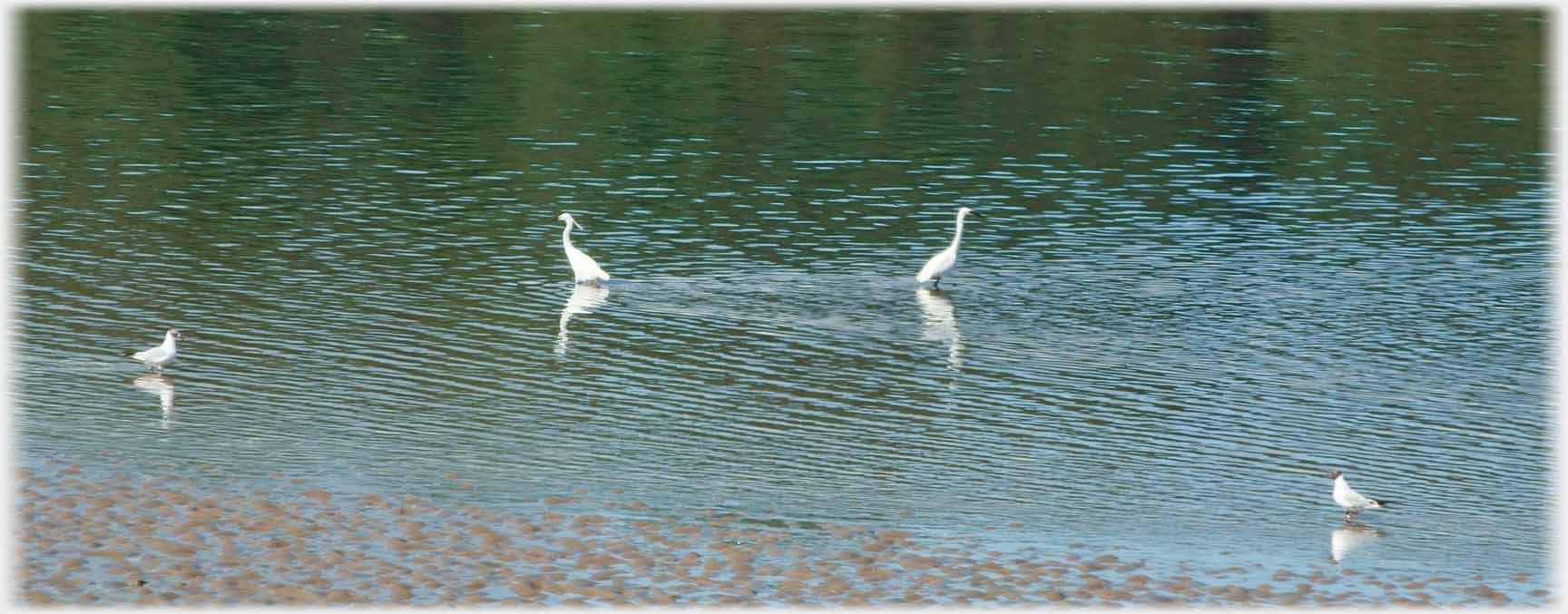 And on another occasion stalk off
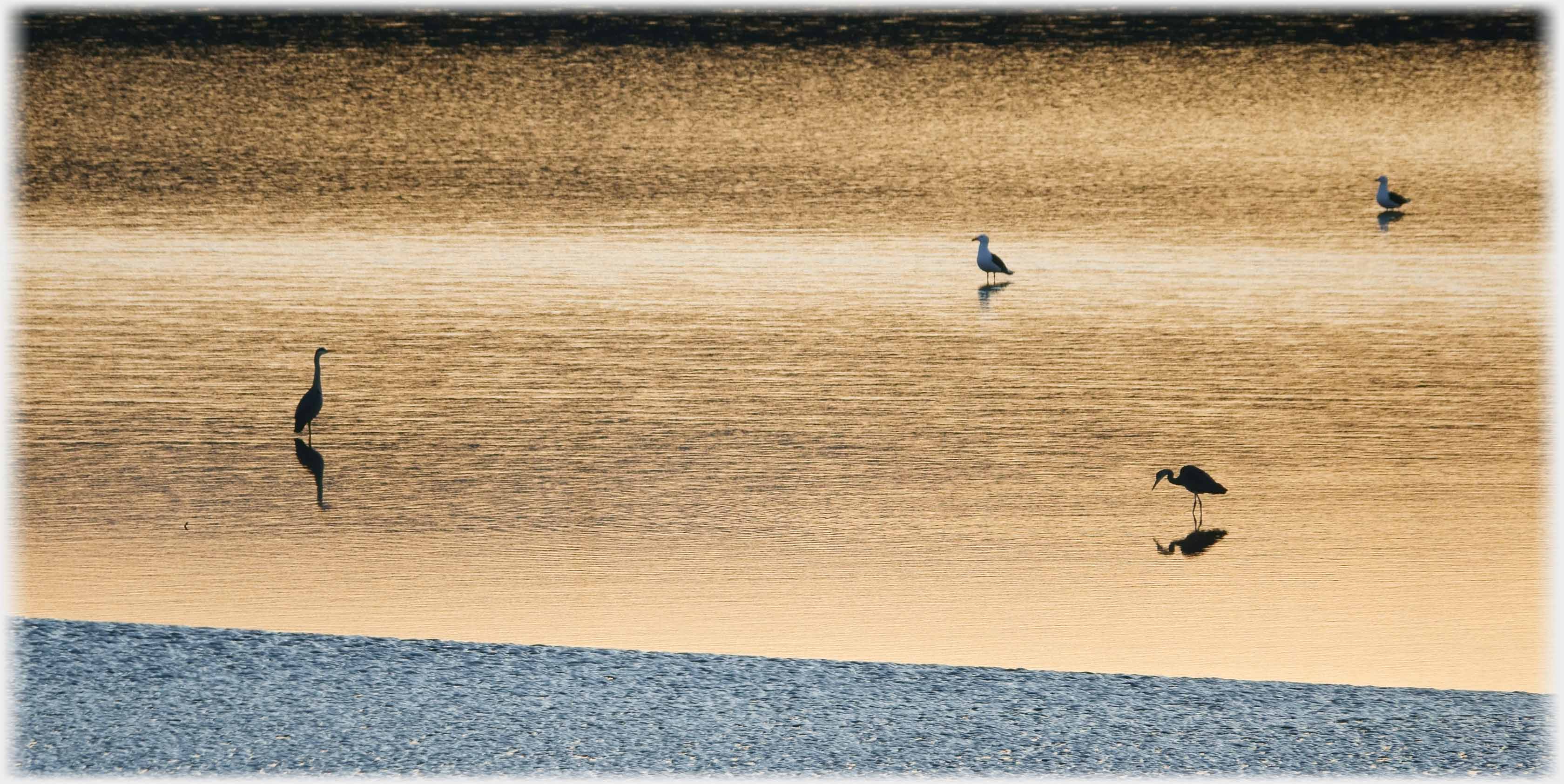 Two herons and two gulls in the evening light
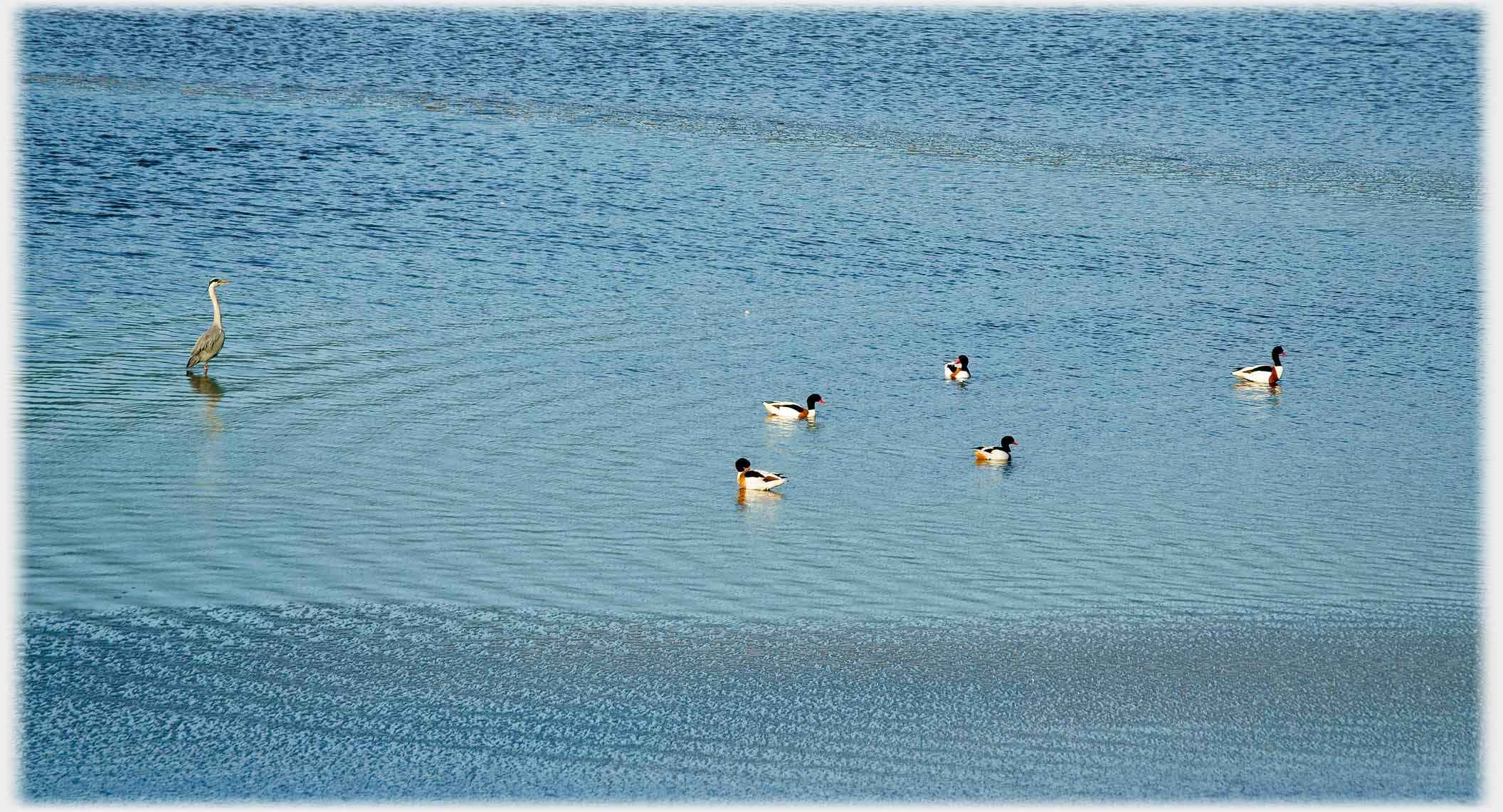 A heron surveys a group of shelducks
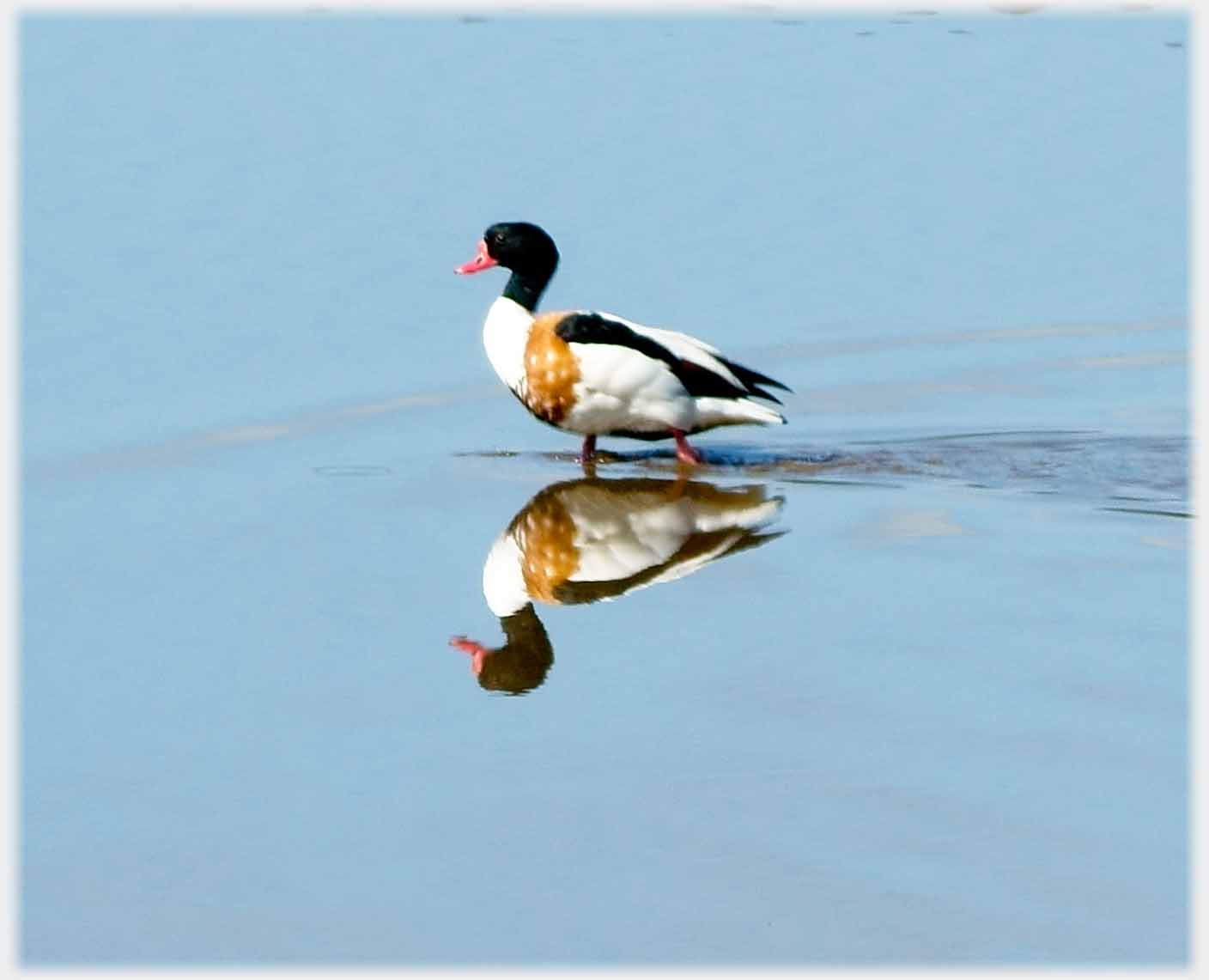 A splendid shelduck
A flock of 200 shelducks have been feeding on this same patch for several months...
...And in the last two months have been joined by this
A splendid shelduck
A flock of 200 shelducks have been feeding on this same patch for several months...
...And in the last two months have been joined by this
ruddy shelduck, categorised as a distinct species
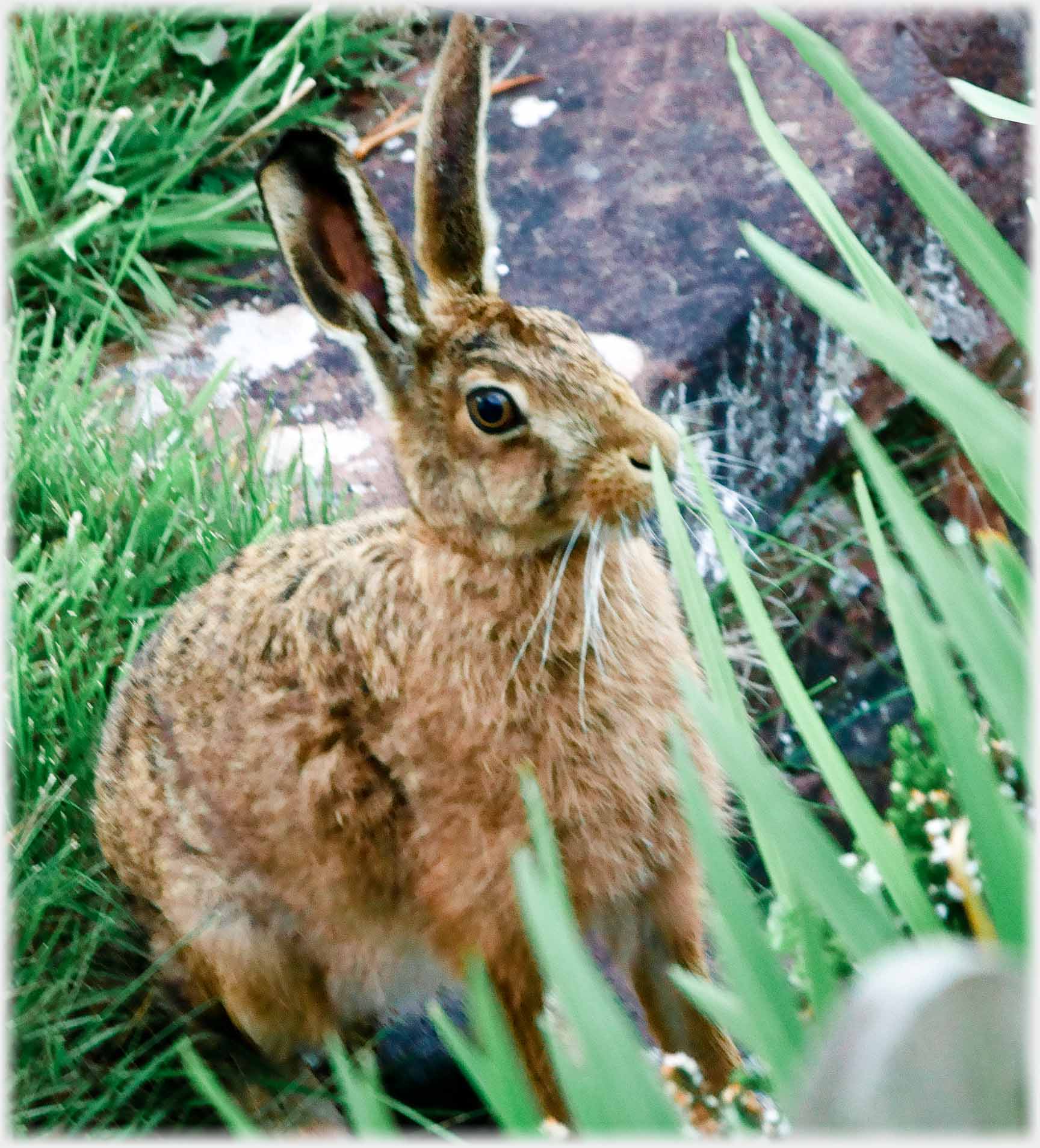 Not to be entirely air bound: the hare that grew up from a leveret in our front gardens this year, the second year running there has been one. Upper right, a clip of extremely...
...low quality film of a deer running over the sands
Not to be entirely air bound: the hare that grew up from a leveret in our front gardens this year, the second year running there has been one. Upper right, a clip of extremely...
...low quality film of a deer running over the sands
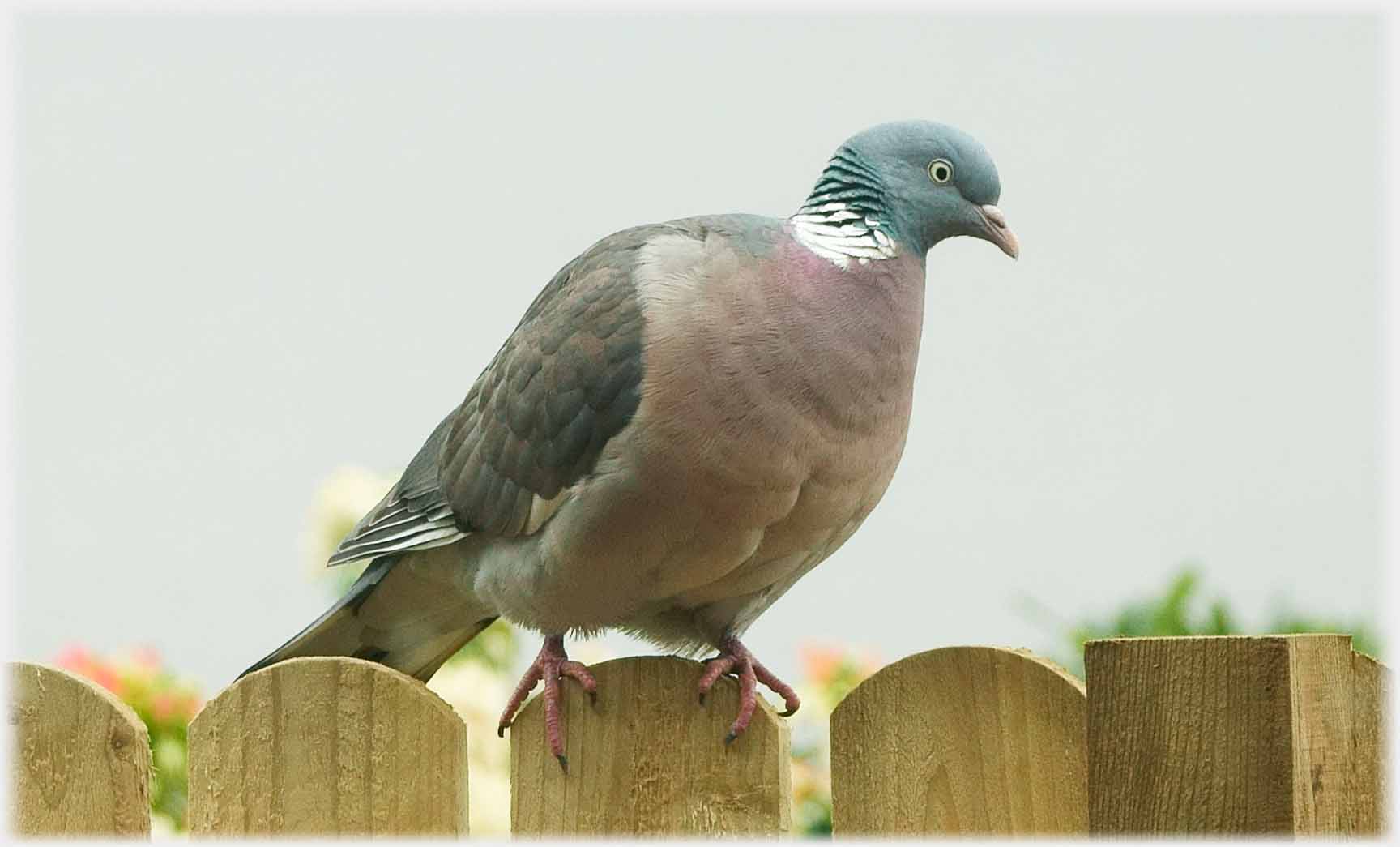 And then a high quality photo of a high quality wood pigeon - who nests here
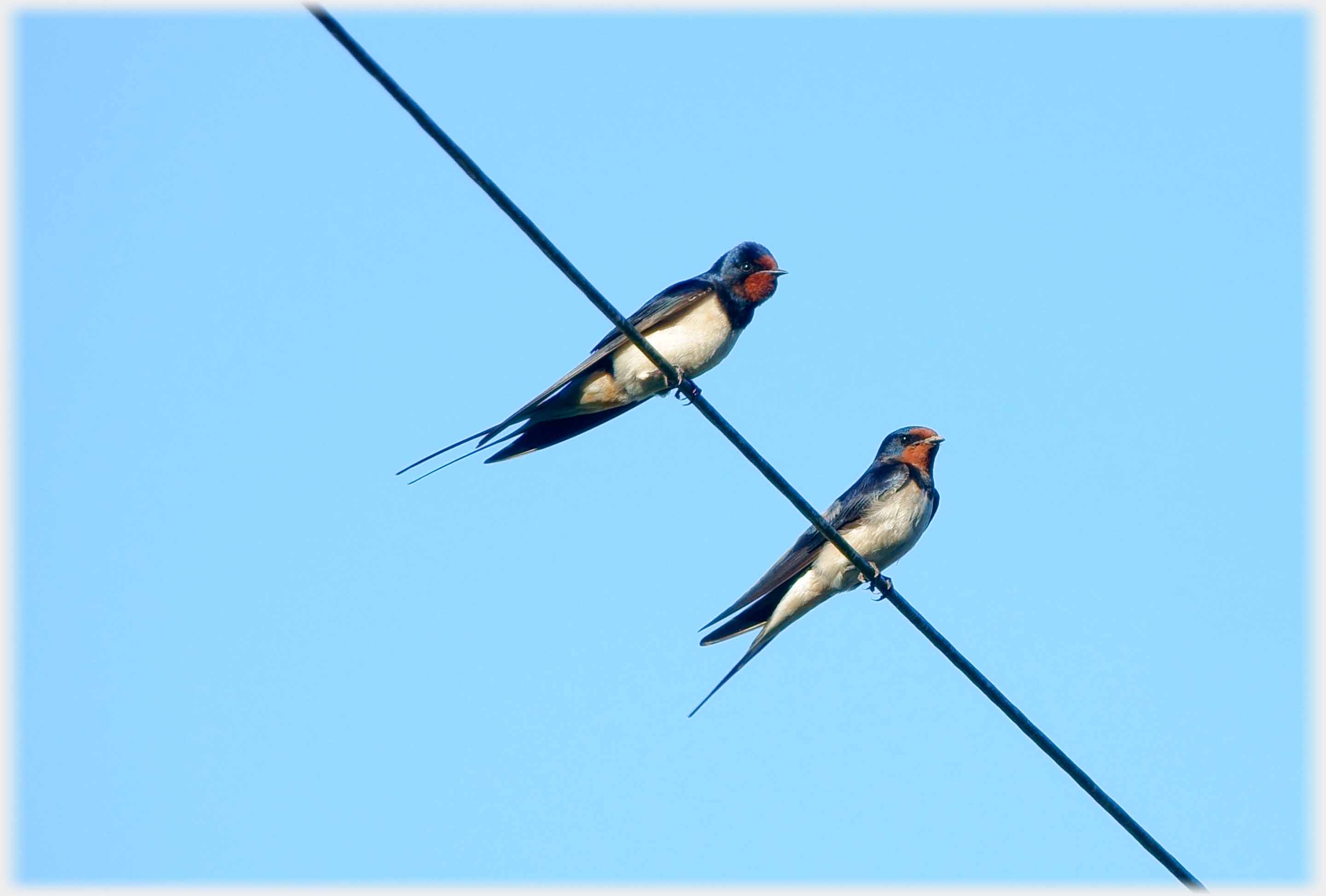 The two swallows who came here this year, my guess is male left and female right, but they have not managed to breed successfully. Each year the numbers of swallows and martins are dropping; more demanding weather, and fewer insects for food,
such is the toll of our damaged climate
Trailers...
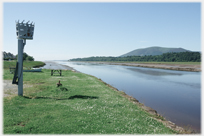 The next Picture Posting
page takes you a mile up the river to the village of Glencaple.
The next Picture Posting
page takes you a mile up the river to the village of Glencaple.
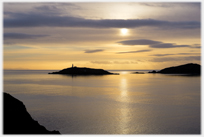 The next page
of the Ruminations Section is headed
The next page
of the Ruminations Section is headed
'Little Ross'.
Or go to the contents of the Ruminations Section.

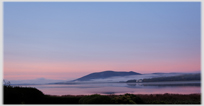 The last page's photos were of the hill opposite Kenneth Bank - Criffel
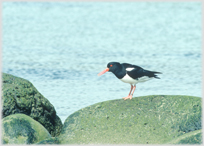 Go to a page of photographs of some of the birds to be seen in Iceland
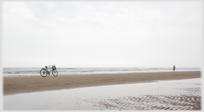 To more sand and water, in Vietnam
 ...guide to this site